Safeguarding Independent Employees: Best Worker Safety Alarms in NZ
Solo work can pose significant risks, particularly for those in positions that require them to operate in isolated or dangerous environments. As the amount of independent workers in New Zealand continues to rise, ensuring their safety becomes crucial for employers and workers alike. One vital tool in maintaining safety is the use of lone worker devices, which offer functions like panic alerts, fall detection, and GPS tracking. These technologies not only improve employee security but also grant reassurance for those who care about them.
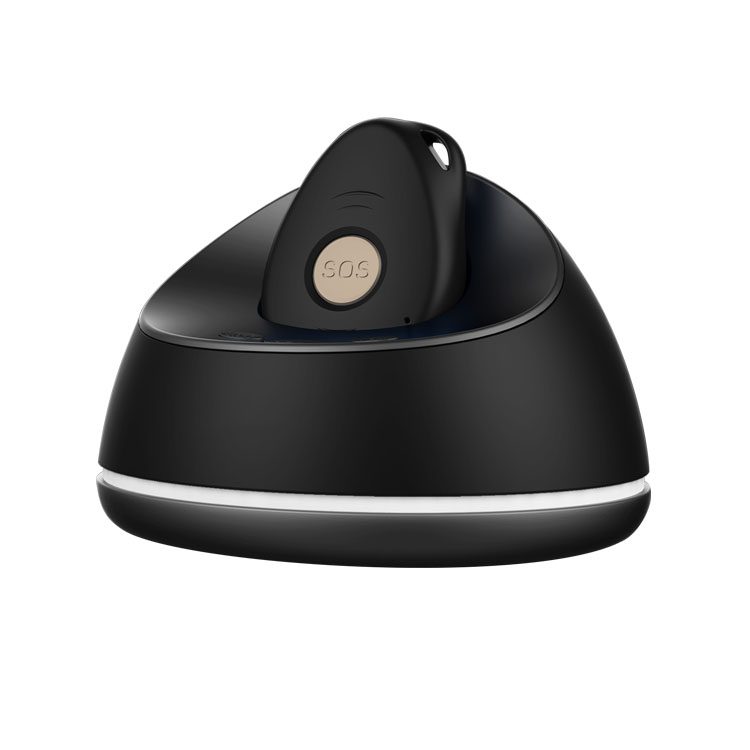
Among the multiple options available in the industry, the Mercari Technologies lone worker device has gained attention for its strong features and reliability. Designed specifically for kiwi workers, the Mercari LWD equips individuals with portable safety technology that can efficiently respond to emergency situations. In this article, we will explore the top lone worker devices in New Zealand, concentrating on their functionalities, advantages, and how they play a crucial role in keeping our workforce safe while operating solo.
Grasping Individual Worker Challenges
Individuals working alone face a distinct set of difficulties that can impact their security and well-being. Lone workers often function in remote or risky environments, where prompt assistance may not be accessible in case of emergencies. Factors such as physical health risks, likely incidents, and the lack of instant contact can heighten the susceptibility of those who are solo workers. Comprehending these risks is vital in formulating functional safety protocols.
Moreover, the character of certain jobs can subject lone workers to unique dangers. For instance, staff in sectors like construction, agriculture, health services, and emergency services may be at higher risk of illness or health issues. These vulnerabilities necessitate the implementation of reliable safety systems, such as lone worker devices, which can assist observe their status and ensure quick reaction in urgent situations.
The mental aspect of solo work should not be overlooked. Lone workers may experience feelings of separation and anxiety, which can affect their psychological well-being and overall job performance. Organizations have a obligation to cultivate a supportive work environment that fosters safety and meets the issues of staff who function independently. By recognizing these risks, companies can adequately prepare their workforces with resources and devices designed to keep people safe while promoting the safety of employees.
Key Features of Man Down Alarms
Man down alarms are important tools for safeguarding the safety of individual employees across a range of industries in NZ. These devices are designed to quickly alert first responders and designated contacts in the event of a fall or health crisis. One of the primary attributes of these devices is sophisticated fall detection technology. This allows the device to immediately detect when a user has fallen and trigger an alert, minimizing the reliance on the worker to manually trigger a panic alert. Such quick response capabilities can be crucial in lessening the consequences of an incident.
Geolocation services is another essential feature found in numerous lone worker safety devices. This functionality enables real-time location tracking, which is particularly beneficial for lone workers who may function in isolated environments. In case of an emergency, the ability to pinpoint the user's exact location allows for a faster and more effective response from emergency services. This feature not only improves personal safety but also provides peace of mind for supervisors responsible for their employees' safety.
Additionally, many devices come equipped with emergency buttons that can be easily activated in moments of need. This feature enables workers to seek help at any moment, offering an added layer of security. Wearable safety technology has developed significantly, with many modern lone worker devices designed to be portable and comfortable, ensuring they can be worn throughout the workday without discomfort. By providing a mix of fall detection, GPS tracking, and panic alerts, these devices serve as essential tools in keeping Kiwi workers safe while operating alone.
Overview of Mercari Technologies LWD
Mercari Tech has emerged as a front-runner in providing innovative solutions for remote worker safety in Aotearoa. Their remote worker devices, specifically the LWD by Mercari, are designed to ensure employee safety while boosting operational efficiency. These devices utilize state-of-the-art technology to deliver features such as emergency alerts, fall detection, and real-time location tracking, making them essential tools for those who work alone.
The LWD by Mercari stands out for its intuitive interface and reliability. It is built to endure challenging working conditions, ensuring that employees are protected regardless of their environment. This wearable safety technology not only monitors the user's well-being but also provides instant alerts to designated contacts in case of urgent situations. This proactive approach to keeping people safe is vital for fields where workers are exposed to risks while operating independently.
In Aotearoa, the integration of Mercari's lone worker device into safety protocols has proven to be a game changer for many organizations. By emphasizing employee safety and utilizing features like real-time tracking, companies can better coordinate their workforce and react swiftly if a lone worker is in danger. Mercari Technologies is committed to keeping New Zealand workers safe, providing assurance for employees and employers alike.
How Crisis Notifications Boost Safety
Panic alerts are a critical aspect of remote employee gadgets, intended to provide immediate help in emergency situations. When a worker experiences unsafe or is in trouble, the ability to send a quick alert can be a lifesaver. For those isolated at work, the loneliness can amplify risks, making immediate communication essential. The Mercari's lone worker device incorporates a dedicated panic button that allows employees to call for help quickly, making sure that they are never truly alone in a emergency.
The efficacy of panic alerts is enhanced by their link with GPS tracking capabilities. When a panic alert is triggered, the device not just alerts emergency contacts but also shares the worker's exact location. This swift response capability is crucial for first responders, as it permits them to reach the worker in a efficient manner. Numerous companies in New Zealand prioritize employee safety by adopting these features, promoting a culture of care and support for lone workers across various industries.
Additionally, the existence of panic alerts in wearable safety devices adds a level of reassurance for both employees and employers. Understanding that assistance is just a tap away motivates workers to carry out their duties with confidence, beyond the constant fear of loneliness. As businesses focus on employee wellbeing, putting resources into devices like the Mercari LWD helps make sure that every Kiwi worker is secure, secure, and aided while on their own.
Value of Fall Monitoring Technology
Fall detection technology is vital for the security of isolated workers, notably in fields where they may be subjected to dangerous conditions. The capability to automatically detect a accident and alert emergency responders can considerably shorten reaction times in critical situations, likely saving lives. This technology provides peace of mind not only to employees but also to employers who are accountable for the safety of their workers.
In NZ, many individual employees are working in isolated areas or hazardous environments where immediate access to help may not be easily available. With reliable fall detection systems embedded into wearable safety technology, workers can focus on their job with certainty, knowing they are connected to a safety network. This link is critical in preventing serious injuries that could result from prolonged isolation after an fall.
Additionally, fall detection improves compliance with occupational safety standards that regulate the protection of workers. By investing in devices like the Mercari Lone Worker Device, companies demonstrate their dedication to keeping Kiwi workers safe. Implementing such technology not only reduces risks but also promotes a culture of safety, encouraging more people to seek jobs in sectors that require independent work.
Global Positioning System Tracking for Lone Employee Security
Global Positioning System tracking technology has become an integral component of modern single worker security solutions. For employees operating alone, having a dependable method of real-time position tracking can be critical for safety. Gadgets equipped with GPS tracking allow companies to track the movement and whereabouts of their employees, ensuring they can respond quickly in the event of an emergency. Regardless of whether a lone employee is in a distant area or a bustling urban setting, Global Positioning System monitoring provides peace of mind for both the worker and their employers.
Innovative Company technologies has developed cutting-edge single worker devices that incorporate advanced GPS tracking features. The company's LWD is designed specifically for worker safety, providing real-time monitoring and notifications that keep employees safe while they operate alone. This wearable security technology not only helps in monitoring an employee's location but also enables automatic fall detection and emergency signals, ensuring that prompt help can be sent in critical situations.
By integrating Global Positioning System monitoring into their safety protocols, employers can significantly enhance the safety of their lone workers. Keeping Kiwi workers safe is a priority in the region, and investing in the most effective lone employee device that features dependable GPS capabilities is a crucial step towards achieving this goal. The combination of sophisticated tracking and safety features successfully safeguards workers, allowing them to focus on their tasks without putting at risk their well-being.
Key Strategies for Adopting Safety Devices
When integrating lone worker devices into the safety protocols, it is important to engage your employees in the process. Recognizing their daily challenges and obtaining their feedback on the devices can enhance acceptance and ensure that the technology satisfies their needs. A successful deployment not only considers the technical aspects but also prioritizes the comfort and confidence in the system. Providing workshops on how to use the Mercari LWD effectively can significantly enhance the overall safety experience for those who are alone. Lone worker devices
Regular maintenance and updates of the lone worker devices are vital to keep them operating optimally. Schedule regular checks to ensure that features such as emergency alerts, fall monitoring, and GPS tracking are working. An effective monitoring system can help in promptly addressing potential technical issues that may arise. This proactive approach reinforces the reliability of these safety devices and assures employees that their safety is a top priority.
Lastly, it is important to establish a clear response protocol in case of an alert. This protocol should specify the steps to follow when a lone worker triggers a panic alert or if a fall detection is triggered. Training relevant personnel on this response plan will ensure that they can act swiftly and effectively, demonstrating a promise to employee safety. By fostering a culture of safety and preparedness, organizations can better protect their lone workers across New Zealand, keeping Kiwi workers secure in their settings.